
 In 1947 Engineers at Bell Labs invented the Transistor. This was followed up by a team at Fairchild Semiconductor who developed the Semiconductor Integrated Circuit (I.C) in 1958. Both examples of ‘Disruptive Technology’ which changed the world forever. The phones & computers we take for granted today would not have been possible without these developments.
The invention of the World Wide Web by Tim Berners-Lee in 1989 is another example of Disruptive Technology which brings about a seismic shift in society.
So what is the next Disruptive Technology ? In the next posts we will examine some of the emerging technologies which may change the fabric of society forever:-
Graphene – is an allotrope of Carbon which forms a 2D hexagonal lattice one atom thick. It is incredibly strong (100 x that of steel, by weight) & also very light & flexible. It is also incredibly conductive to both electricity & heat. The potential is enormous as a material to be used in the manufacture of aerospace & automotive components.
A number of U.K companies are involved in the development of Graphene including Applied Graphene Materials as are a number of Universities. In March George Osborne officially opened the National Graphene Institute in Manchester with a government grant of over £38 million.
Once Graphene is produced in industrial quantities its use will transform society with lighter, stronger structures in Aerospace, buildings & Automotive. to name a few. It’s electrical properties will revolutionise electronics. More efficient battery technologies will make electrically powered vehicles commonplace on our roads & its use in solar cell technology will lead to cheaper greener energy.
Graphene will Disrupt Society in ways bounded by our imaginations.




 Fantastic news today regarding the development of a National Automotive Innovation Campus at the University of Warwick.
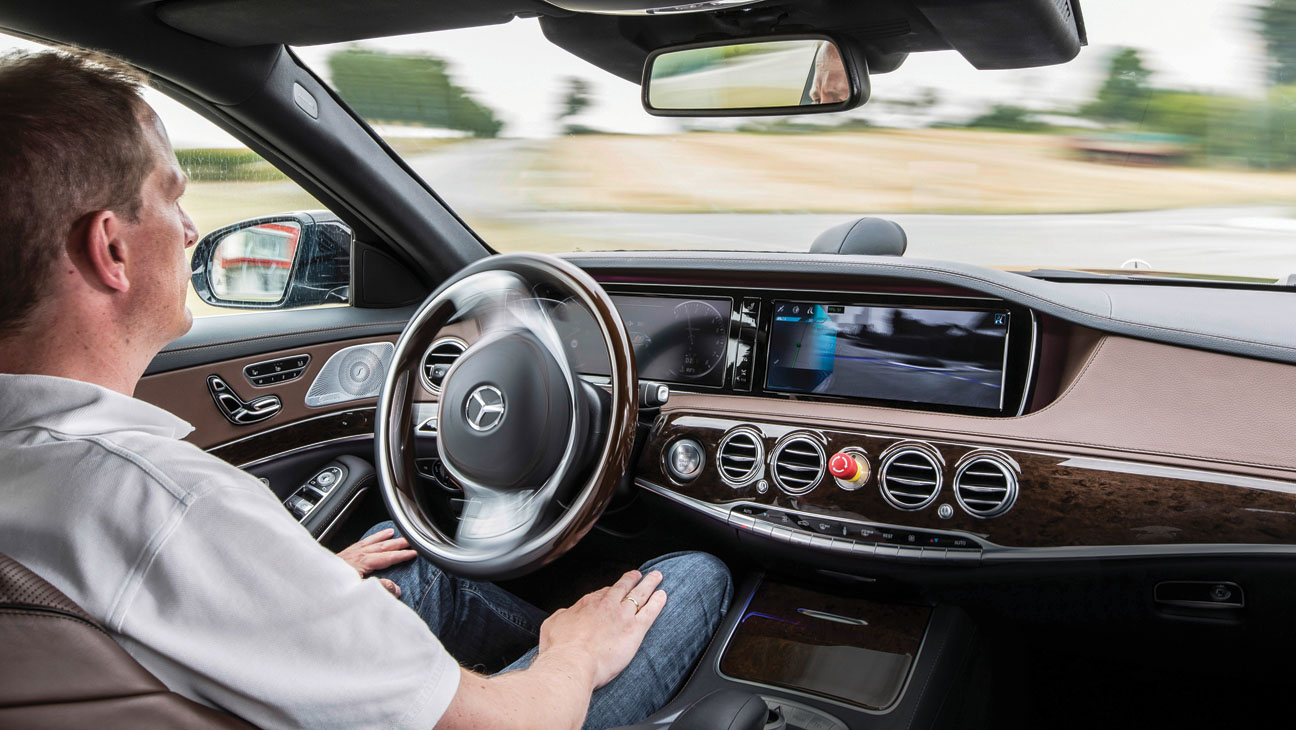
 Governor Jerry Brown signed through legislation to allow fully automated vehicles on California’s roads.
 The UK automotive industry is set to break its all time production record of 1.92 million cars (set in 1970!!) in 2015. These figures are from the Society of Motor Manufacturers & Traders.


