

2024 has been another tough year for the UK Automotive industry but let’s remind ourselves of some of the positive developments:-
1. Tata’s £4 Billion Investment in a UK Battery Factory: Tata Group announced plans to build a significant electric vehicle (EV) battery factory in Somerset, marking one of Europe’s largest such facilities. This investment is set to supply Jaguar Land Rover’s future electric models, including Range Rover, Defender, Discovery, and Jaguar brands, with production expected to commence in 2026.
2. Record High EV Registrations: The UK’s zero-emission vehicle (ZEV) policy proved effective, with over 25% of new car registrations in November being electric—the highest on record. This surge reflects growing consumer confidence in EVs, bolstered by expanding charging infrastructure and the increasing affordability of used electric cars.
3. Clarification on Hybrid Vehicle Sales: The UK government clarified that new hybrid cars would remain on the market until 2035, despite the planned ban on new petrol and diesel cars from 2030. This decision provides the automotive industry with a clearer transition path towards full electrification, allowing manufacturers and consumers to adapt accordingly.
4. Jaguar ran a highly successful marketing campaign & revealed their astonishing concept EV at the Miami art show polarising opinions & generating more discussion about Jaguar than the last 30 years.
5. Bentey launched their Fourth-Generation Continental GT Speed: Bentley introduced the 2025 Continental GT Speed, its most powerful model to date. This fourth-generation vehicle features a twin-turbo Ultra Performance Hybrid V8 engine, producing 771 horsepower and accelerating from 0 to 60 mph in 3.2 seconds. The design incorporates elements from the Mulliner Bacalar and Batur concept cars, including a new single-headlight setup, marking a first for Bentley since 1959.
6. Strategic Electric Vehicle (EV) Plans: Bentley announced plans to launch its first electric vehicle, a luxury SUV, in 2026. Additionally, the company will continue offering plug-in hybrid models until 2035, adjusting its electrification strategy to meet global demand and varying regional adoption rates.
2025 will see more major challenges & many significant developments & innovations. Bring it on.
chris@amberhill.biz

 The world of Artificial Intelligence (AI) is rapidly evolving and becoming increasingly important in our lives. AI is a form of technology that enables machines to think and act like humans, and it has the potential to revolutionize the way we live and work.
 The implementation of IIOT (Industrial Internet of Things) is transforming industry in many ways & one of the most interesting is in enabling companies to manage carbon reduction strategies & in doing so to make processes more efficient in terms of cost, quality & most importantly energy usage.
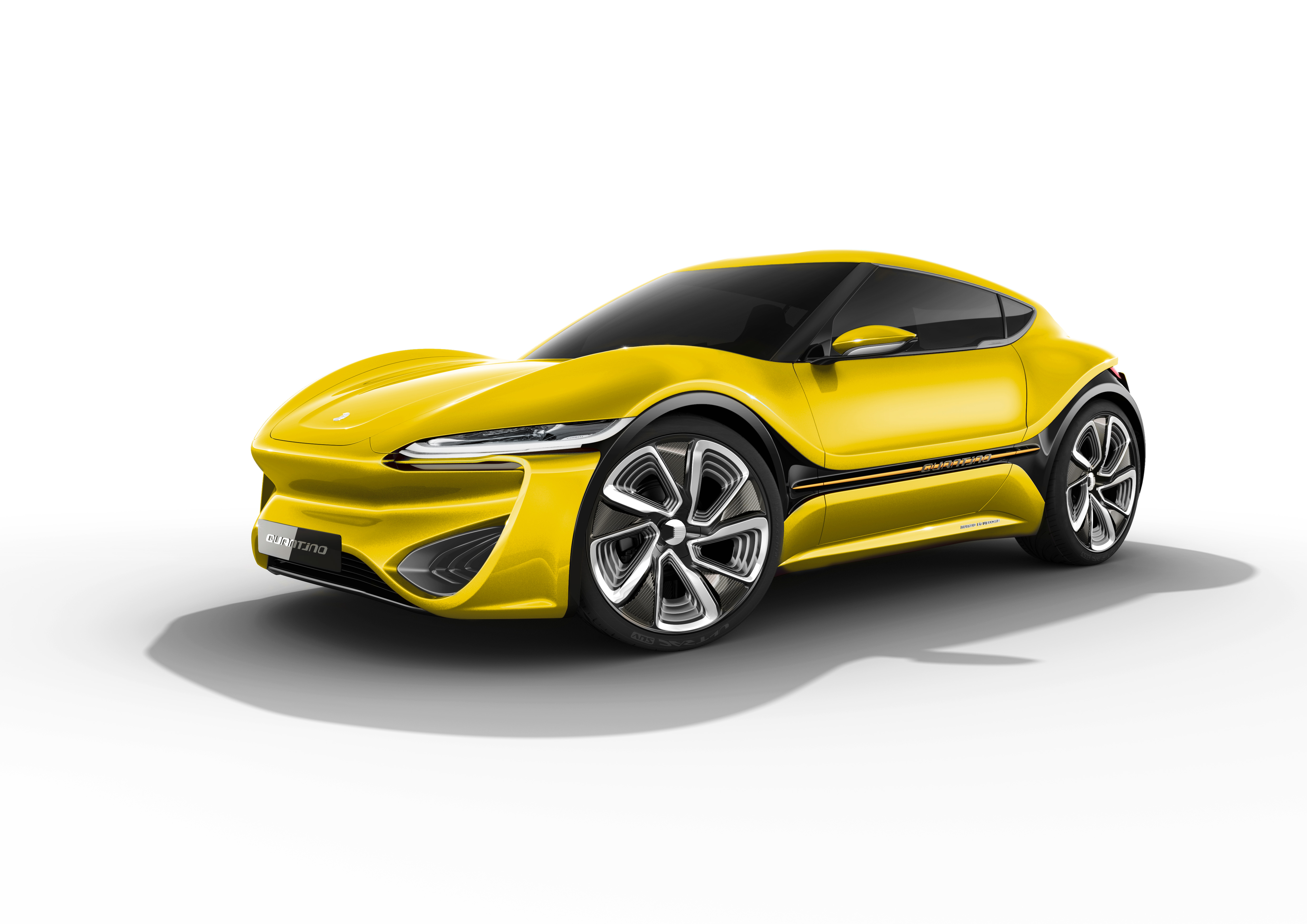 The U.K Governments decision to ban the sale of new petrol & diesel cars by 2030 presents some real challenges for the UK Automotive industry. A development lifecycle of 5-7 years is not unusual for a brand new model & when we are looking at a whole different powertrain & chassis with the consequent implications for production assembly then we are talking major developments.
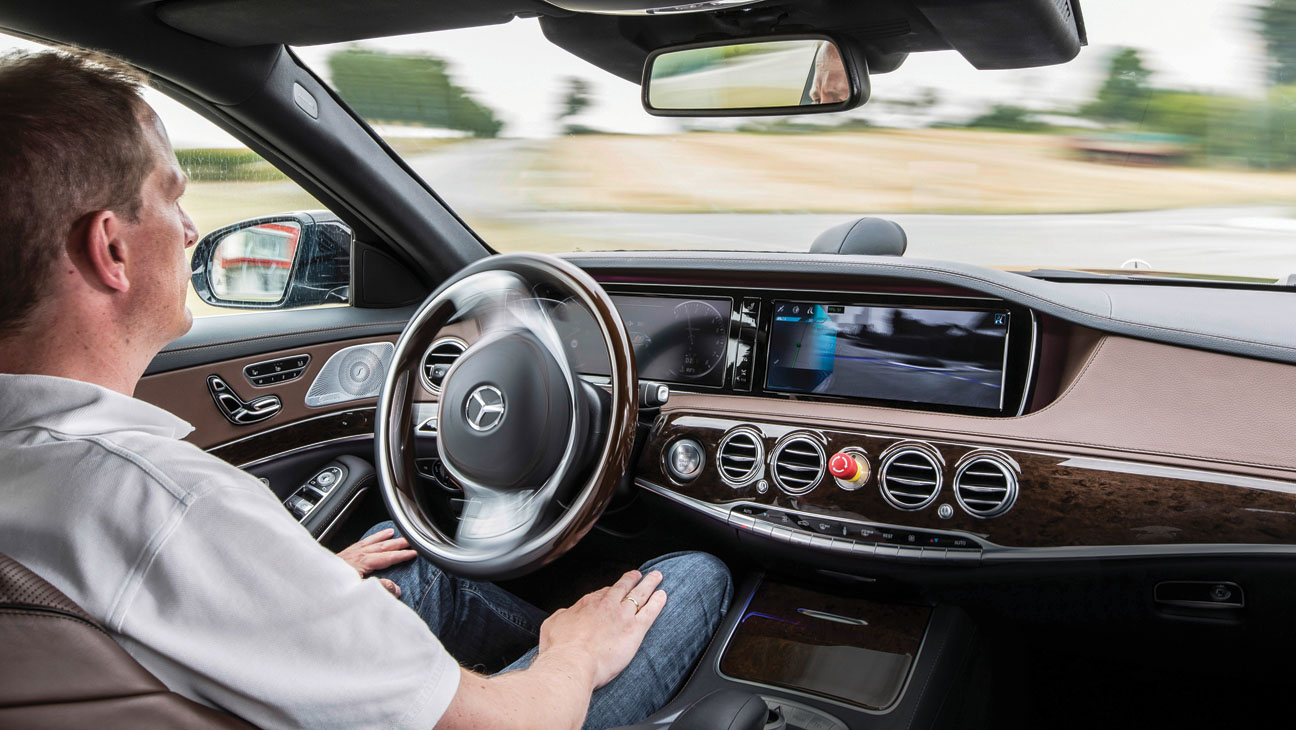 Wow!! – 2020 – you couldn’t make it up; so where are we headed in 2021?
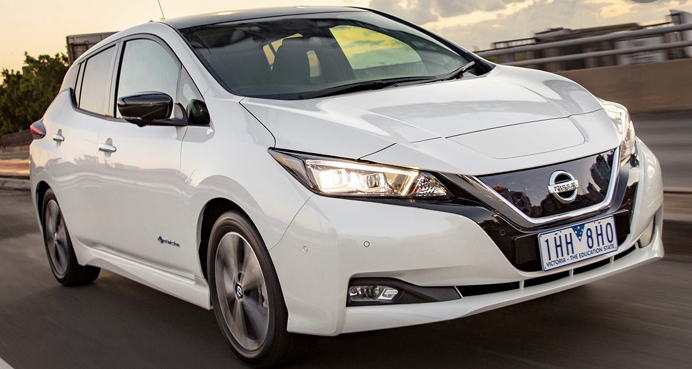 Nissan recently returned to work at it’s Sunderland Plant following an announcement about a post Covid worldwide restructuring which will see the closure of its Barcelona Plant & commitment to Sunderland as a manufacturing centre for Quashqai & Juke SUV’s & could also produce their Renault counterparts the Kadjar & Capture.
 — Geely group has invested in Lotus heavily & the company has a tight well targeted product range including the fantastic new all electric hypercar the Evija. The company has also benefited from picking up a number of talented & experienced engineers from JLR.