
In the fast-paced world of technology, businesses are constantly seeking innovative solutions to enhance their operational efficiency and gain a competitive edge. Cloud computing, the revolutionary paradigm that it is, has emerged as a game-changer, propelling companies into the digital age. At Amberhill Associates, we believe in harnessing the power of technology to transform businesses, and cloud computing is at the forefront of this transformation. In this article, we delve into the myriad benefits of cloud computing and why it’s the key to success in the modern business landscape.
1. Scalability and Flexibility:
One of the key benefits of cloud computing is its unparalleled scalability. In traditional IT infrastructure, businesses often faced limitations when they needed to expand or shrink their operations. Cloud computing offers the flexibility to adjust resources on-demand, ensuring that you only pay for what you need. This agility empowers organizations to respond to changing market conditions swiftly.
2. Cost-Efficiency:
Cloud computing is a cost-effective solution for businesses of all sizes. It eliminates the need for substantial upfront investments in hardware and software. Instead, you pay for services on a subscription basis, which can be easily adjusted to align with your budget. Additionally, cloud providers handle maintenance, updates, and security, saving you the costs associated with managing on-premises infrastructure.
3. Accessibility and Collaboration:
With the cloud, geographical boundaries are no longer a hindrance to collaboration. Cloud-based tools and applications enable seamless teamwork, allowing employees to work from anywhere with an internet connection. This accessibility enhances productivity and fosters collaboration, enabling businesses to thrive in a digital world.
4. Enhanced Security:
Security is a paramount concern in the digital age, and cloud computing doesn’t fall short in this regard. Reputable cloud providers invest heavily in cutting-edge security measures, including encryption, access controls, and data redundancy. These safeguards often surpass the capabilities of traditional in-house IT solutions, making your data safer in the cloud.
5. Disaster Recovery:
Disaster recovery is a critical component of business continuity. The cloud provides an automatic backup and recovery system, ensuring that your data is protected even in the face of unexpected events. This resilience minimizes downtime and protects your business from significant losses.
6. Eco-Friendly Solutions:
In today’s world, sustainability is a pressing concern. Cloud computing plays a vital role in reducing a company’s carbon footprint. By consolidating data centers and optimizing resource utilization, cloud providers can deliver services with greater energy efficiency, contributing to a greener future.
7. Competitive Edge:
Adopting cloud technology provides businesses with a competitive edge. It empowers them to deploy new services and features rapidly, meet customer demands, and stay ahead of the competition. Moreover, it enables the integration of advanced technologies such as artificial intelligence, machine learning, and Internet of Things (IoT), making innovation accessible to all.
In conclusion, cloud computing is a transformative force that aligns perfectly with Amberhill Associates’ commitment to leveraging technology for business excellence. Its scalability, cost-efficiency, accessibility, security, disaster recovery, sustainability, and ability to provide a competitive edge make it an invaluable asset to any forward-thinking organization. By embracing the cloud, companies can embark on a journey towards greater efficiency, agility, and success in the digital era. As technology continues to evolve, cloud computing remains at the forefront, ready to empower businesses on their path to prosperity.
Chris@amberhill.biz
www.amberhillassociates.com

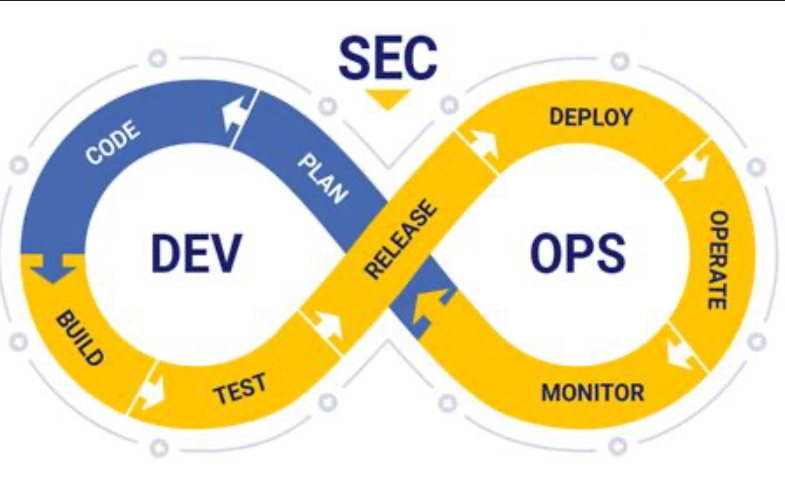

 The world of Artificial Intelligence (AI) is rapidly evolving and becoming increasingly important in our lives. AI is a form of technology that enables machines to think and act like humans, and it has the potential to revolutionize the way we live and work.
 The U.K Governments decision to ban the sale of new petrol & diesel cars by 2030 presents some real challenges for the UK Automotive industry. A development lifecycle of 5-7 years is not unusual for a brand new model & when we are looking at a whole different powertrain & chassis with the consequent implications for production assembly then we are talking major developments.
 Wow!! – 2020 – you couldn’t make it up; so where are we headed in 2021?
 5.1 Million
 Nissan recently returned to work at it’s Sunderland Plant following an announcement about a post Covid worldwide restructuring which will see the closure of its Barcelona Plant & commitment to Sunderland as a manufacturing centre for Quashqai & Juke SUV’s & could also produce their Renault counterparts the Kadjar & Capture.
 — Geely group has invested in Lotus heavily & the company has a tight well targeted product range including the fantastic new all electric hypercar the Evija. The company has also benefited from picking up a number of talented & experienced engineers from JLR.
 A recent survey in